
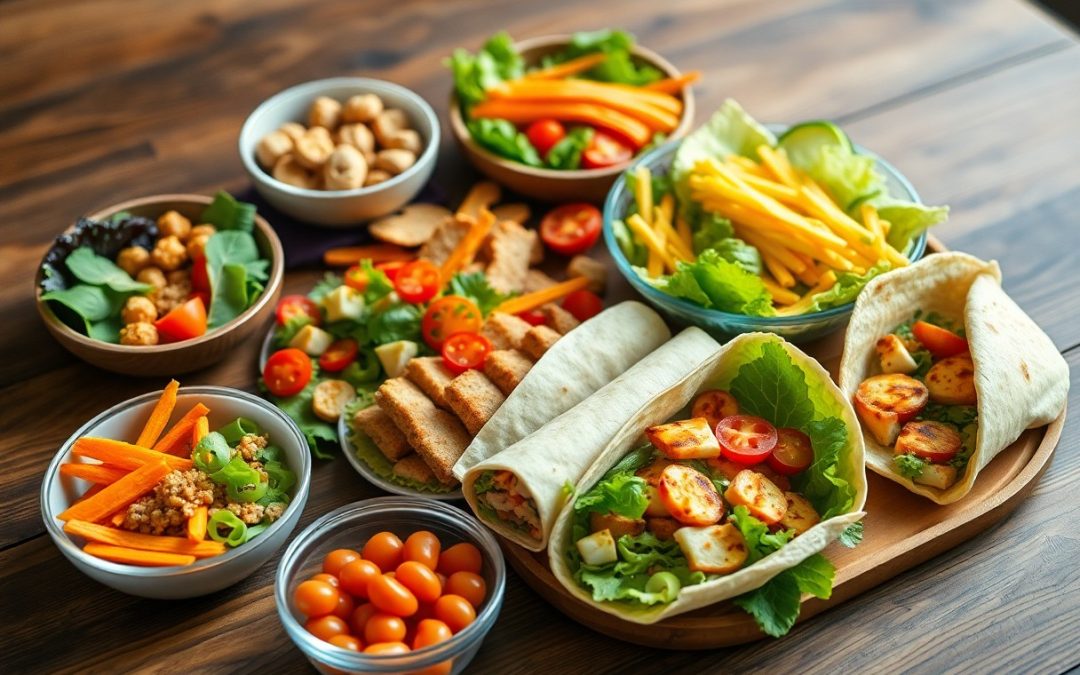
There’s no need to struggle with meal choices when managing type 2 diabetes. You can enjoy healthy, balanced lunches that help keep your blood sugar stable without sacrificing flavor. By focusing on low-carb, nutrient-rich ingredients and avoiding meals high in sugar, saturated fat, and sodium, you empower yourself to make smart eating decisions every day. This guide provides you with simple, diabetes-friendly lunch ideas designed to support your health and fit seamlessly into your lifestyle.
Key Takeaways:
- Choose meals that are low in added sugars, sodium, and unhealthy fats, emphasizing whole grains, lean proteins, and plenty of non-starchy vegetables.
- Opt for smarter carb choices such as whole-grain breads, brown rice, and legume-based noodles to help manage blood sugar levels effectively.
- Incorporate versatile, diabetes-friendly options like salads, wraps, soups, and homemade dishes to maintain variety while supporting healthy eating habits.
Fresh and Flavorful: The Power of Salad
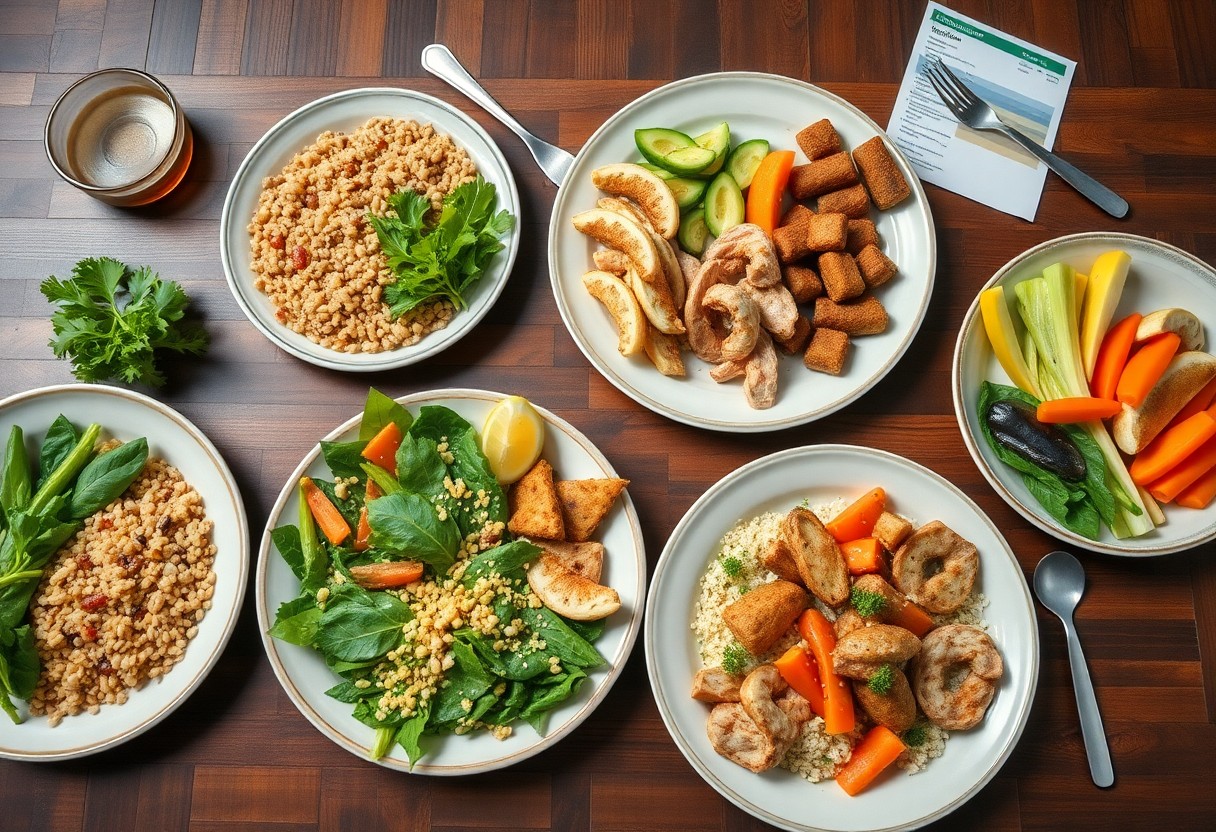
Salads can be a vibrant, nutrient-packed lunch that supports stable blood sugar levels. Combining a variety of fresh, crunchy vegetables with proteins and healthy fats creates a meal that’s both satisfying and diabetes-friendly. Incorporating ingredients with fiber and protein helps slow digestion and prevent blood sugar spikes, while a mindful approach to serving size keeps carbohydrates in check. You have plenty of options to customize your salad, making it an easy way to stay on track without sacrificing flavor.
Quinoa-Based Greens for a Nutrient Boost
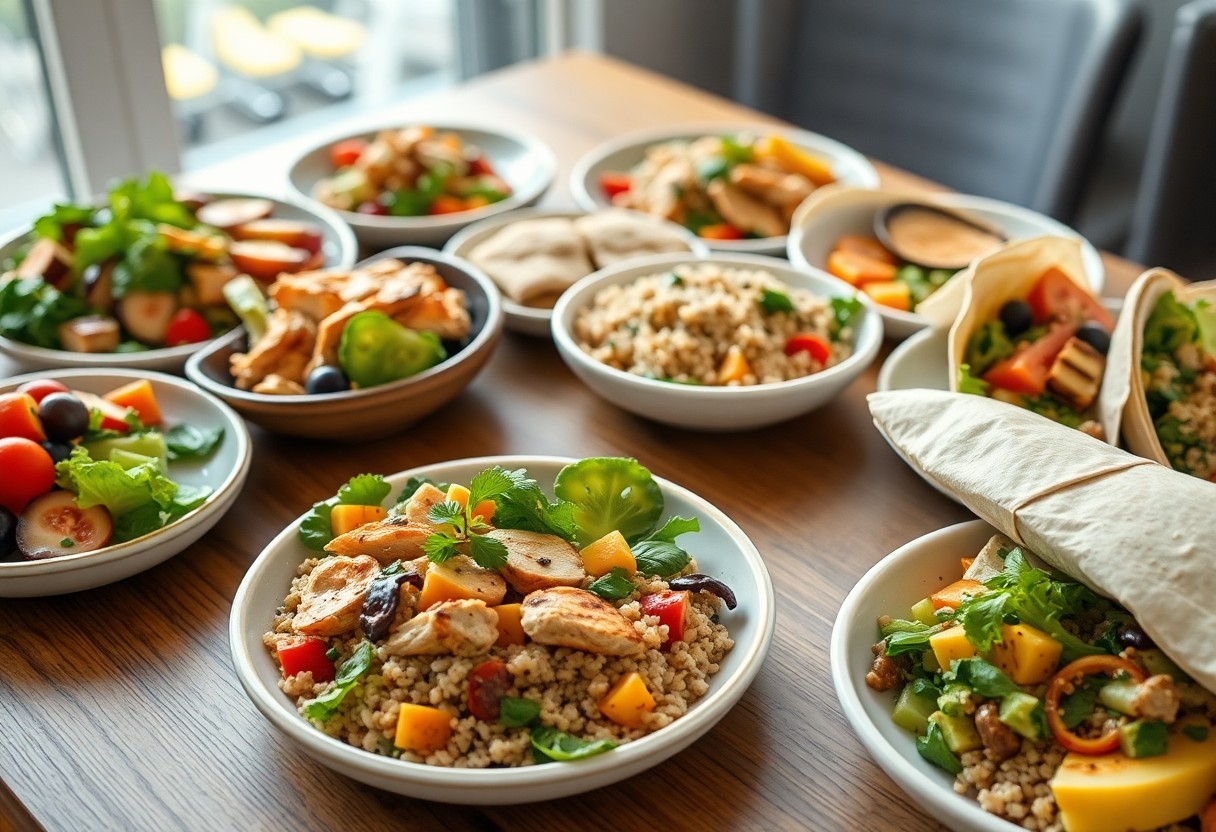
Adding quinoa to your salad enhances both texture and nutrition. This seed offers a complete protein source along with fiber, magnesium, and iron, all of which contribute to improved blood sugar management. Including about ½ cup of cooked quinoa boosts the salad’s staying power, leaving you fuller longer and helping to avoid mid-afternoon slumps. Its mild, nutty flavor pairs well with leafy greens like spinach or kale, giving your lunch an energizing nutrient boost.
Dressing Smart: Choosing Low-Sugar Options
Salad dressings can significantly impact your blood sugar, so opting for low-sugar versions is vital. Look for dressings containing less than 5 grams of sugar per serving, such as balsamic vinaigrette or olive oil with lemon juice. You can also create homemade dressings using ingredients like apple cider vinegar, mustard, and herbs to keep added sugars at bay. Limiting sugar in dressings helps control the meal’s overall glycemic load without sacrificing taste.
Pay close attention to nutrition labels—many store-bought dressings disguise high sugar content behind terms like “natural flavors” or “honey.” Even varieties labeled “light” or “fat-free” can contain added sugars to compensate for flavor loss. Using just one tablespoon limits your sugar intake while enhancing flavor without excessive calories. Experimenting with homemade dressings made from olive oil, vinegar, fresh herbs, and a squeeze of citrus offers a flavorful, low-sugar alternative perfectly suited for your diabetes-friendly lunch.
Sandwich Solutions: Crafting Diabetes-Friendly Options
Sandwiches can be a convenient and satisfying lunch, especially when you focus on balancing carbohydrates, proteins, and fats. Choosing the right bread, loading up on fresh, crunchy vegetables, and selecting lean proteins helps keep blood sugar stable. Swapping out high-calorie condiments for options like mustard keeps calories and fats in check. By building your sandwich thoughtfully, you transform a common meal into one that fits smoothly into your diabetes management plan without sacrificing flavor or satisfaction.
Whole-Grain Wonders: Bread Choices Matter
Opt for flat, whole-grain breads instead of bagels or rolls, because they typically contain fewer calories and carbs while offering more protein and fiber to help manage blood sugar levels. Whole-grain options slow digestion and lessen blood sugar spikes, supporting better glucose control throughout the afternoon. Look for breads that list whole grains as the first ingredient and contain at least 3 grams of fiber per serving for maximum benefit.
Vegetable Variety: Packing in the Flavor
Stack your sandwich with a colorful array of crunchy vegetables like romaine lettuce, tomato, cucumber, and onion to add texture, nutrients, and natural flavor without extra carbs. Vegetables boost vitamins and minerals and provide fiber, which slows glucose absorption and helps you feel full longer. The more vibrant veggies you include, the more flavor and diabetes-friendly benefits your meal delivers.
Adding variety beyond the typical lettuce and tomato enhances both taste and nutrition. Try thinly sliced bell peppers, shredded carrots, radishes, or even sprouts to introduce different textures and antioxidants. These veggies contribute important micronutrients such as vitamin C, potassium, and folate that support heart health and blood sugar regulation. Including a diverse vegetable mix also helps reduce dependence on processed meats and cheeses, keeping your sandwich lighter and healthier overall.
Comfort in a Bowl: Heart-Healthy Soups
Soups can provide you a warm, satisfying lunch while fitting perfectly into your diabetes meal plan. Leafy greens, beans, and fresh vegetables keep the carb load balanced, while broth-based options help control calories and sodium. Staying mindful of soup labels to avoid hidden sugars and saturated fats ensures you enjoy each spoonful without pushing your blood sugar out of range.
Bean Soups: Filling and Low in Fat
Choosing bean soups that contain less than 3 g of fat and under 500 mg of sodium per serving keeps meals heart-healthy and diabetes-friendly. Beans deliver a powerful combo of protein and fiber, which helps you stay full longer and steady your blood sugar. Pairing these soups with veggies boosts nutrient intake without extra carbs.
Pairing Perfectly: Snacks that Complement
Adding a small, smart side can turn a simple bowl of soup into a well-rounded meal. A low-fat cheese stick combined with a quarter cup of unsalted sunflower seeds adds protein and heart-healthy fats that sustain energy and curb hunger. Alternatively, fresh fruit or a colorful side salad brings vitamins and fiber without raising blood sugar.
When you pair your soup with snacks like a low-fat cheese stick and unsalted sunflower seeds, it enhances flavor and balances the meal’s macronutrients. The protein from cheese supports muscle maintenance, while the seeds provide vital fatty acids that promote heart health—both important for diabetes management. If dairy isn’t your preference, switching to fruit or a salad adds antioxidants and fiber, which help slow glucose absorption and improve digestion, making your lunch both nourishing and satisfying.
Pasta without the Guilt: Whole-Grain Strategies
Swapping regular pasta for whole-grain varieties helps you enjoy your favorite meals while managing your blood sugar. Whole-grain noodles pack more fiber and protein than traditional refined pasta, slowing digestion and improving glucose control. Choosing whole wheat or even spelt pasta can reduce the glycemic impact of your meal, letting you savor pasta dishes without the usual carb overload. Pairing these noodles with lean proteins and veggies balances your plate, making lunchtime satisfying and diabetes-friendly without sacrificing flavor.
Substituting for Health: Legume Noodles and Beyond
Legume-based noodles, like chickpea or lentil pasta, bring a double benefit: they’re rich in protein and fiber, helping to stabilize blood sugar levels while keeping you fuller longer. These alternatives also deliver imperative nutrients like iron and folate. You can find varieties made from black beans, edamame, or green peas, each adding unique textures and flavors. Incorporating legume noodles into your meals swaps out simple starches for complex carbs, a smart move for managing type 2 diabetes effectively.
Non-Starchy Add-Ins: The Key to Balance
Adding lots of non-starchy vegetables like spinach, mushrooms, zucchini, and tomatoes bulk up your pasta without packing on carbs. These veggies provide fiber and antioxidants that support heart health and blood sugar control. Toss in wilted greens and onions for nutrients and flavor that doesn’t spike your glucose levels. A hearty serving of tomato sauce (one cup or more) complements these veggies well but steer clear of creamy or oily sauces that can add unwanted fats.
Beyond just volume, non-starchy veggies influence how your body processes the meal. Fiber-rich ingredients slow carbohydrate absorption, which can mitigate post-meal blood sugar spikes common with pasta dishes. Incorporating a variety of colorful vegetables also boosts your vitamin and mineral intake, supporting overall metabolic health. For example, bell peppers and broccoli add vitamin C and potassium, while mushrooms contribute B vitamins—all factors that contribute positively to managing type 2 diabetes. Layering these veggies into your pasta dishes can transform a simple meal into a nutrient-dense powerhouse that satisfies both your appetite and your health goals.
Creative Combos: Deconstructed Classics
Deconstructed meals take your favorite dishes and break them into their core components, making it easier to control portions and ingredients. This approach lets you enjoy classic flavors while managing carbs, fats, and sodium more precisely. By assembling ingredients separately, you can boost fiber and protein with vegetables and lean meats, skip heavy sauces, and adjust dressings to keep sugar low. These creative combos allow you to savor variety and balance without feeling restricted, turning traditional meals into diabetes-friendly options.
Sushi Bowls: Easy and Delicious
Sushi bowls swap out rolled rice for a deconstructed format that’s simple to customize. Use ⅔ cup of cooked brown rice as your base, topped with roasted salmon or canned tuna (low sodium, packed in water), along with avocado, cucumber slices, and roasted seaweed. One tablespoon of low-sodium soy sauce adds flavor without excess salt. For a creamy kick, a homemade drizzle of nonfat Greek yogurt blended with spicy peppers, hot sauce, and lime juice offers a healthier alternative to mayo-based spicy sauces.
Burrito Bowls: Versatile Choice for Variety
Burrito bowls start with a hearty mix of whole grains and beans—try ⅓ cup brown rice combined with ½ cup black or kidney beans—then pile on non-starchy veggies like lettuce, spinach, and salsa. You have the option to add lean protein, as beans are already rich in protein. Finish with a dollop of plain nonfat Greek yogurt instead of sour cream, a squeeze of fresh lime, and chopped cilantro for freshness and zest. This bowl offers flexibility so you can adjust flavors and ingredients to suit your preferences while keeping carbs and fats in check.
The versatility of burrito bowls makes them a staple you can tailor for different tastes and nutritional goals. Beans provide both protein and fiber that help stabilize blood sugar, while brown rice adds complex carbs to sustain energy. By loading up on leafy greens and fresh salsa, you boost vitamins and antioxidants without extra calories. Greek yogurt replaces higher-fat toppings, contributing probiotics and creaminess that won’t spike your blood sugar. Whether you choose chicken, tofu, or keep it vegetarian, this bowl balances flavor, texture, and nutrients for a satisfying, diabetes-friendly lunch.
Final Thoughts on Building a Balanced Lunch
Focusing on a mix of high-fiber whole grains, lean proteins, and non-starchy vegetables sets a solid foundation for blood sugar control. For example, pairing ⅔ cup of brown rice with 3 ounces of grilled chicken and a generous portion of steamed broccoli not only balances carbs but also adds satiety. Avoiding hidden sugars—especially in dressings and sauces—and limiting sodium to under 500 mg per serving helps reduce complications. Small habits like choosing low-sugar condiments or swapping regular pasta for legume-based noodles can make a significant difference in managing your diabetes effectively.
FAQ
Q: What types of bread are best for making diabetes-friendly sandwiches?
A: When choosing bread for sandwiches suitable for type 2 diabetes, it is best to go for whole-grain options that provide higher protein and fiber content. Avoid breads like bagels and rolls, as they tend to have more calories and carbohydrates. Flatbreads such as whole-wheat tortillas or pita with no more than 30 grams of carbs per serving work well to keep carb intake moderate.
Q: How can I make pasta dishes healthier for someone with type 2 diabetes?
A: To enjoy pasta while managing type 2 diabetes, start with whole-grain or legume-based noodles like chickpea pasta, which offer more fiber and protein and have a lower glycemic impact. Add plenty of non-starchy vegetables like spinach, tomatoes, and onions to add volume without excessive carbs. Choose lean proteins such as ground turkey, and opt for tomato-based sauces rather than creamy or oily options to control fat intake.
Q: Are there easy protein-packed lunch options suitable for type 2 diabetes?
A: Yes, several easy options include combining lean proteins with healthy fats and vegetables. For example, two hard-boiled eggs with a handful of almonds and chopped carrots make a balanced meal. Another option is a whole-wheat wrap filled with lean protein, avocado, and assorted vegetables. Deconstructed sushi bowls with cooked brown rice, roasted salmon or tuna, avocado, and cucumber also provide a protein-rich and diabetes-friendly lunch.
