
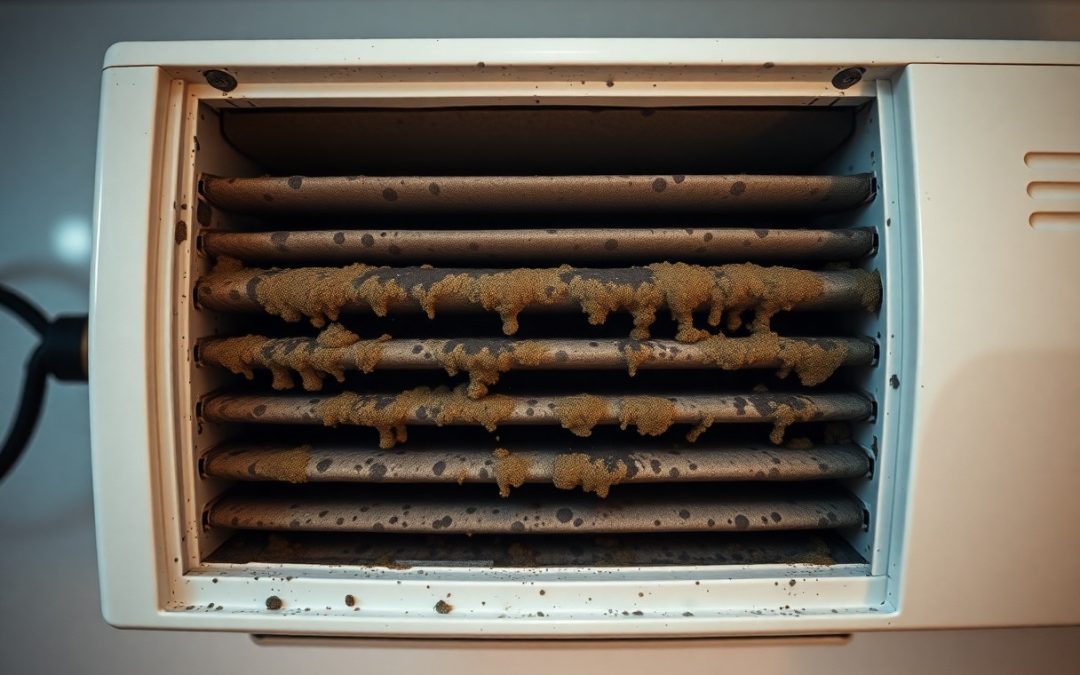
Over time, your air conditioner can become a hidden source of mold growth, especially if moisture accumulates inside the unit. If left untreated, this mold can impact your health by triggering allergies or respiratory issues. Understanding how mold develops in your AC and identifying signs early can help you protect your indoor air quality and maintain a comfortable, safe environment. You have the power to prevent mold buildup by keeping your unit clean and dry, ensuring your health and home stay safe throughout the warmer months.
The Science Behind Mold Proliferation in AC Units
Mold thrives inside air conditioners primarily due to the presence of moisture and organic material that serve as feeding grounds. Components like cooling coils and drip pans collect water through condensation, creating an ideal environment for mold spores to settle and multiply. Without adequate ventilation or maintenance, this dampness persists, fostering mold colonization that can spread unseen through your system. Understanding these scientific basics can help you target the root causes and reduce your exposure to harmful spores impacting indoor air quality.
Condensation and Humidity: The Perfect Storm
High humidity levels cause excessive condensation on air conditioner components, especially in warm, moist climates. The cooling coils regularly gather water droplets, which often remain stagnant in the unit’s nooks and crevices. This trapped moisture combined with lack of airflow generates a relentlessly damp environment where mold easily flourishes. Sites like coil fins and drain pans become hotspots for mold if moisture isn’t properly drained or evaporated.
Key Factors Contributing to Mold Growth
Several elements actively contribute to mold growth inside your AC unit. Poor drainage, inadequate air filters, and inconsistent maintenance all permit moisture buildup and organic debris accumulation. Mold spores utilize these conditions to propagate rapidly. Knowing these risk factors can empower you to take practical steps that limit mold’s foothold and protect your home’s air quality.
Mold growth depends on multiple environmental and mechanical factors that intertwine within your AC system. Water accumulation from faulty or blocked drainage pipes leaves standing pools attracting fungal growth. Filters with low efficiency fail to capture dust and organic particles, providing mold with a nutrient source. Frequent system downtime lowers airflow, enhancing moisture retention and promoting spore germination. Even the ambient indoor humidity—above 60%—exacerbates these conditions, tipping the balance toward mold proliferation. Knowing what contributes most lets you strategize meaningful prevention and maintenance routines tailored for your specific environment.
- Poor drainage: Blocked or inefficient drainage trays trap water.
- Low-quality filters: Allow dust and organic debris buildup.
- Inadequate airflow: Reduced ventilation increases moisture retention.
- High humidity levels: Create a consistently damp area inside unit.
- Irregular maintenance: Missed cleanings enable mold to thrive.
Knowing these critical factors allows you to focus your cleaning efforts where they matter most and choose the right upgrades for your AC system, improving health outcomes for you and your family.
Signs Your AC Unit Might Be a Mold Haven
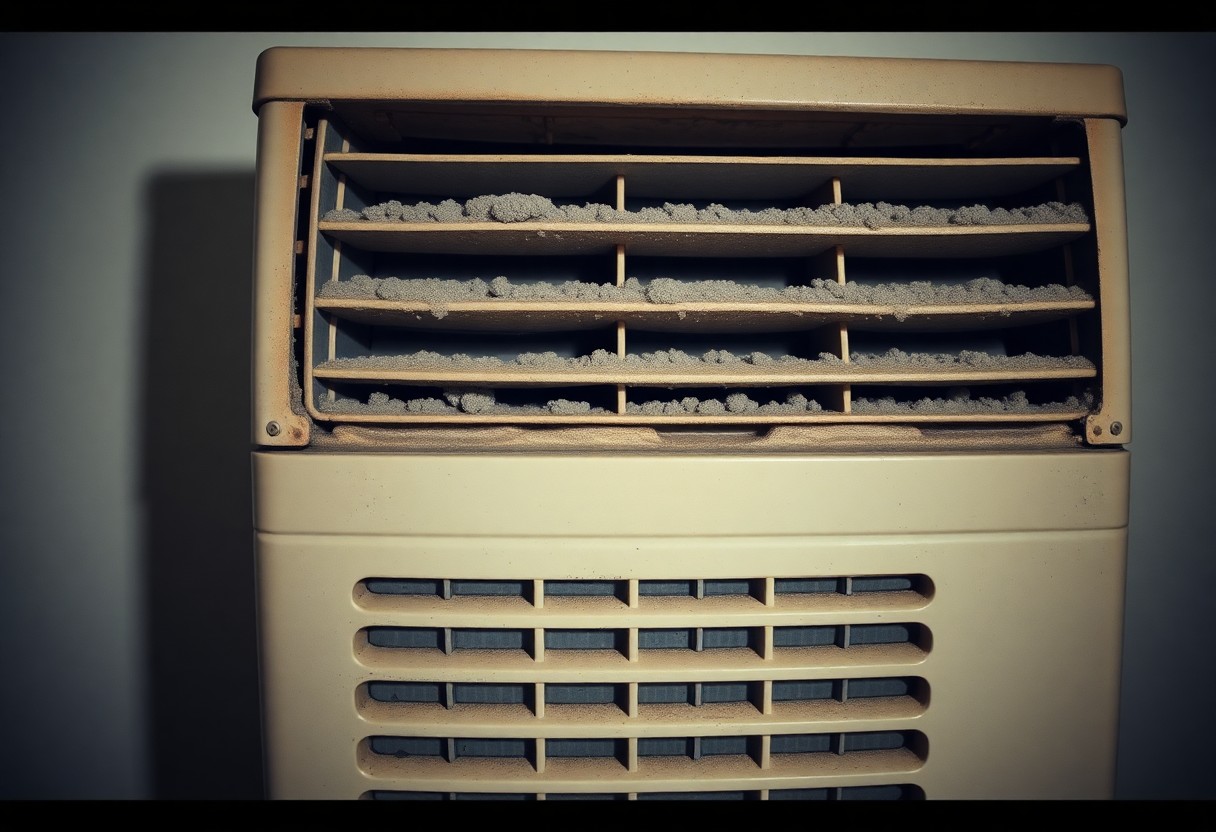
Detecting mold in your air conditioner isn’t always straightforward, but certain signs can tip you off. Frequent allergy flare-ups, unexplained musty odors, or increased respiratory irritation when the AC runs often point to mold presence. Since humid regions accelerate mold growth on cooling coils and fan components, any lingering moisture inside the unit raises red flags. You might also notice your AC’s performance declining as mold buildup can obstruct airflow and reduce efficiency.
Distinct Smells: A Warning Sign
A persistent musty or damp smell coming from your AC vents serves as a warning that mold could be growing inside. This odor often resembles rotten wood or wet laundry and tends to become more noticeable when the unit first powers on. Even if you can’t see mold directly, these smells indicate fungal activity within the system’s hidden components, especially in areas where water accumulates and evaporates slowly.
Visual Indicators: What to Look For
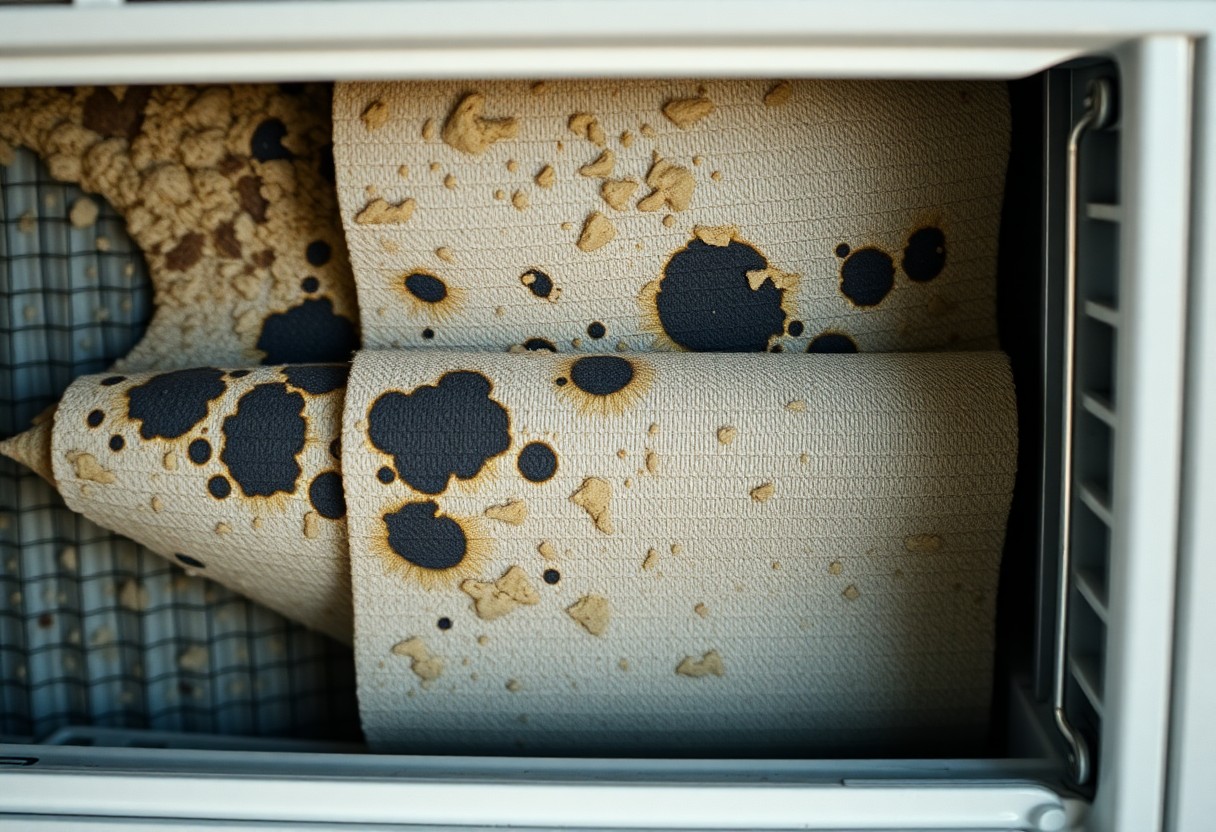
Spotting mold visually within your AC unit involves checking places where moisture collects, such as cooling coils, drain pans, and fan blades. Mold often appears as discolored spots—black, green, or gray—that can look fuzzy or slimy. If you open your air handler or inspect vent covers and see such growths, that’s a strong sign mold is present. Accumulation of dust mixed with dark patches also hints at fungal buildup.
When inspecting, focus on the evaporator coils, where condensation forms regularly, creating an ideal environment for mold spores to thrive. Studies have shown that even small amounts of retained moisture—just a few milliliters trapped in drain pans or filters—can sustain mold colonies. Some homeowners have reported finding patches ranging from pinhead-sized spots to widespread film covering larger surfaces inside the unit. Using a flashlight and mirror can help reveal hidden growth in tight spaces, while consistent discoloration or slimy textures indicate ongoing mold issues needing immediate attention.
Health Risks Associated with Mold Exposure
Mold growing inside your air conditioner doesn’t just affect air quality; it can directly impact your health. Exposure to airborne mold spores can trigger a range of symptoms, from mild irritation to more serious respiratory problems. People with asthma, allergies, or weakened immune systems are especially vulnerable. Continuous exposure in your home environment can worsen existing conditions and create new respiratory challenges that affect your daily comfort and well-being.
Allergic Reactions and Respiratory Issues
When you breathe in mold spores from your AC unit, your body may react with symptoms like sneezing, nasal congestion, or itchy eyes. For some, this escalates to persistent coughing, wheezing, or shortness of breath—commonly seen in asthma sufferers. Studies estimate that up to 10% of the population is sensitive to molds, meaning these allergens can significantly disrupt your respiratory system and trigger allergic reactions, particularly in humid climates where mold growth is more aggressive.
Long-term Health Effects of Mold Exposure
Prolonged exposure to mold spores can go beyond temporary irritation, potentially leading to chronic respiratory conditions such as bronchitis or hypersensitivity pneumonitis. Some molds produce mycotoxins, which may affect your nervous system or immune response over time. Research highlights cases where long-term mold exposure correlates with increased rates of fatigue, cognitive difficulties, and even depression, underscoring the importance of addressing mold issues within your AC unit before they escalate.
Extended mold exposure in indoor environments has been linked to more than just respiratory problems. Mycotoxins, the toxic compounds produced by certain molds, can disrupt immune function and contribute to neurological symptoms, including memory problems and mood disorders. For example, occupants of mold-infested buildings have reported symptoms consistent with “sick building syndrome,” where chronic fatigue and headaches become part of daily life. Proactively managing your AC unit’s moisture and air quality can reduce your risk of these serious health complications.
Effective Mold Removal Strategies for Your AC Unit
Targeted mold removal often starts with identifying where moisture lingers inside your AC unit. You want to focus on the evaporator coils, drip pans, and air filters, which tend to harbor the most mold growth due to trapped condensation. Using a mix of specialized cleaners such as mold-killing biocides or a solution of diluted bleach can help eliminate fungal buildup. Make sure to wear gloves and a mask to avoid inhaling spores. Consistent maintenance, including regular filter changes and keeping the drip pan clear, reduces mold recurrence and improves your system’s efficiency.
Step-by-Step Cleaning Guide
| Step | Details |
| Turn Off Power | Switch off your AC unit at the breaker to ensure safety before cleaning. |
| Remove and Clean Filters | Take out air filters; rinse with warm water and vinegar or replace if heavily contaminated. |
| Access Evaporator Coils | Open the unit casing to reach coils, then spray with an antimicrobial coil cleaner. |
| Clean Drip Pan | Remove stagnant water, scrub the pan with a bleach solution to kill mold and bacteria. |
| Dry and Reassemble | Allow components to dry fully before reassembling the unit and restoring power. |
When to Call in the Professionals
If mold growth extends beyond accessible components or you notice persistent musty odors and allergic reactions despite cleaning, professional help can be your best option. Technicians bring specialized equipment such as industrial-grade cleaners and moisture meters, ensuring thorough decontamination and minimizing health risks. They can also inspect ductwork for hidden mold that’s often missed during DIY cleaning.
Professional mold remediation services often include a detailed assessment of your HVAC system, identifying moisture sources that fuel mold growth. With advanced tools like HEPA vacuums and foggers, experts can remove spores trapped deep inside ducts and insulation—areas where typical consumer-grade cleaners fall short. Their interventions not only restore air quality but also help protect your home’s overall health by preventing mold recurrence and associated respiratory issues.
Proactive Measures to Keep Mold at Bay
Reducing mold growth in your AC requires deliberate actions focused on moisture control and air quality. Taking steps such as managing humidity and ensuring your unit is clean can create an environment unfavorable for mold proliferation. These measures don’t just protect your AC but also contribute to better health by minimizing airborne allergens and irritants circulating indoors.
Maintaining Optimal Humidity Levels
Keeping indoor humidity between 30% and 50% discourages mold development on your AC components. In areas where humidity regularly exceeds this range, using a dehumidifier alongside your air conditioner can help maintain this balance. High humidity not only fosters mold spores but also worsens indoor health by promoting dust mites and other allergens.
Proper AC Maintenance and Filtration
Regular filter changes—at least every 1 to 3 months—and thorough cleaning of coils and drip pans remove dust and moisture that act as mold food sources. Using HEPA or antimicrobial filters captures finer particles and inhibits mold spore circulation. Ensuring the drainage system is clear and effective also prevents water buildup, which is a prime mold growth factor inside the unit.
Diving deeper, filters designed to block mold spores can significantly improve indoor air quality, especially if your AC runs frequently in humid conditions. An obstructed drainage pan or clogged condensate line creates pooled water, providing mold an ideal habitat. Hiring a professional for seasonal AC maintenance can catch these hidden issues early—studies show well-maintained units reduce mold presence by over 40%. These maintenance routines contribute directly to healthier breathing environments by minimizing airborne mold allergens.
Conclusion
Drawing together the information, you should be aware that mold can develop in your air conditioner, especially in humid climates. Taking steps like improving drainage and using better filters can help reduce the likelihood of mold growth. Since mold exposure can impact your health, it’s important to inspect and maintain your unit regularly to protect your health and ensure clean, safe air in your home.
FAQ
Q: How can mold develop inside my air conditioner?
A: Mold growth in air conditioners is often due to moisture buildup, especially in humid climates like the eastern United States. Water condenses on cooling coils and can spread to other parts such as fans, creating an environment where mold thrives. Proper drainage and filtration can help reduce this risk by keeping the unit drier.
Q: What are the symptoms or health risks associated with mold in an AC unit?
A: Exposure to mold spores from an air conditioner can trigger allergic reactions, respiratory issues, and other health problems, especially for sensitive individuals. Symptoms may include sneezing, coughing, nasal congestion, or worsening asthma symptoms. It’s important to address mold presence to protect your health.
Q: What is the best way to prevent mold from growing inside my air conditioner?
A: To help prevent mold growth, ensure your air conditioner has effective drainage to remove excess water and use a high-quality filter that restricts mold spores. Keeping the AC unit’s internal environment dry minimizes the chance of creating a mold-friendly setting, which supports better health.
