
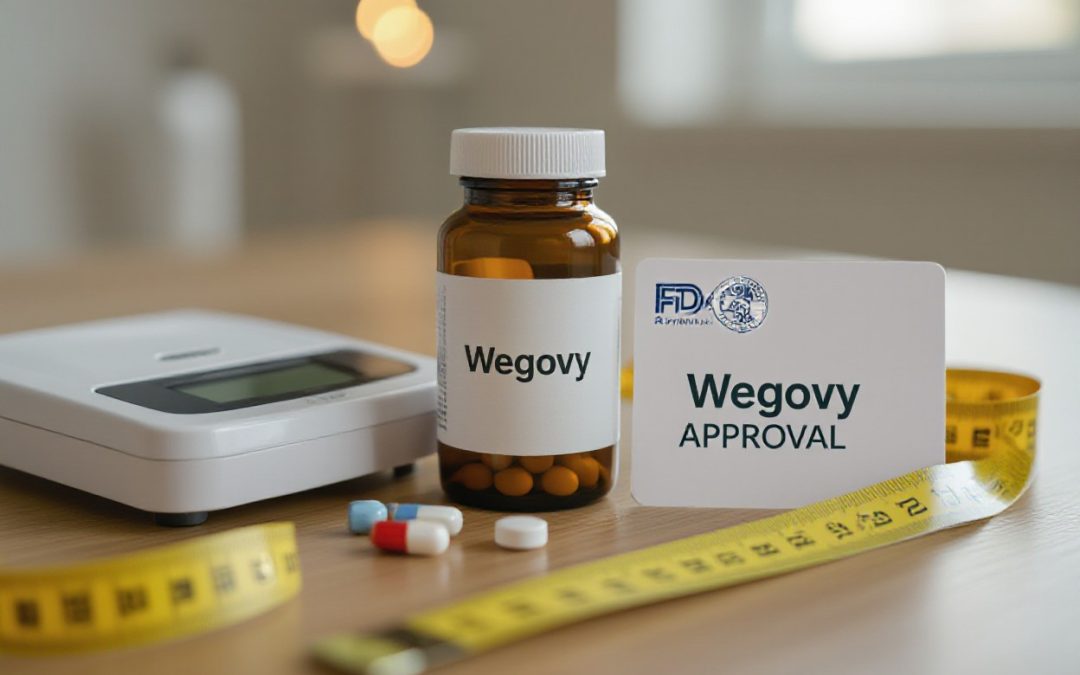
Obesity impacts millions of people, and the newly approved Wegovy pill is the first oral GLP-1 treatment for weight loss, offering a non-injection option that helped people lose an average of 13.6% of their weight over 64 weeks in trials; the FDA approved Wegovy for weight loss, maintaining weight, and lowering the risk of heart attack, stroke, and death, but 74% of users had stomach issues and about 7% stopped taking it. You should follow dosing rules for absorption and discuss cost and access with your clinician.
Key Takeaways:
- Wegovy pill (semaglutide) is the first FDA‑approved oral GLP‑1 for weight loss and maintenance in adults with overweight or obesity and ≥1 related condition and is also approved to reduce heart attack, stroke, and death risk in people with heart disease.
- In a 64‑week trial, daily 25 mg oral semaglutide produced a mean 13.6% weight loss versus 2.2% for placebo; rates of “super responders” (≥20% loss) are similar to injectable GLP‑1s.
- Oral dosing requires taking the pill on an empty stomach with a small amount of water at least 30 minutes before food/drugs; gastrointestinal side effects are common (~74%) with ~7% discontinuation, and cost/insurance coverage may limit access.
Key Features of Wegovy Pill
The oral Wegovy pill is taken once a day at a dose of 25 mg and helped people lose an average of 13.6% of their weight over 64 weeks in studies, compared to just 2.2% for those taking a placebo; it should be taken on an empty stomach with a little water at least 30 minutes before eating, and many people experience stomach issues (about 74%), with around 7% stopping the medication in the studies.
- Dosage: 25 mg once daily semaglutide pill.
- Administration: Take on an empty stomach with a small amount of water ≥30 minutes before food or other meds.
- Efficacy: average ~13.6% weight loss at 64 weeks versus ~2.2% with placebo; similar “super responder” rates to injectables.
- Side effects: high rates of nausea/vomiting and other GI issues (~74%); ~7% stopped treatment due to adverse events.
- Cardiovascular indication: approved to reduce risk of heart attack, stroke, and death in people with established heart disease who are overweight or have obesity.
- Comparators: Rybelsus’s (semaglutide) maximum dose is 14 mg and is approved for diabetes, not weight loss.
- Practical limits: timing and empty-stomach rules may affect adherence; cost and insurance coverage often determine access.
Approval for Weight Loss
You qualify for Wegovy if you’re an adult with overweight or obesity plus at least one related health condition; the FDA cleared the 25 mg daily pill after trials showing an average 13.6% body-weight reduction at 64 weeks versus 2.2% for placebo, and the proportion of people losing ≥20% paralleled injectable GLP-1 results, making it a viable oral alternative for sustained weight management.
Cardiovascular Benefits
If you have established heart disease and are overweight or have obesity, Wegovy is approved to lower the risk of heart attack, stroke, and death; this gives you a dual-purpose therapy that addresses both weight and secondary cardiovascular risk, unlike many prior obesity drugs that lacked demonstrated cardiac benefit.
The heart-related approval is based on results from studies and reviews, not just small indicators, so you should talk to your doctor about how this drug can help you: tell them about any past heart attacks, strokes, or heart surgeries; keep an eye on your symptoms; and consider the heart benefits against the fairly common stomach side effects. Any decision about using Wegovy should be discussed with your cardiologist and primary care clinician to weigh cardiac risk reduction versus potential adverse effects.
Clinical Trials and Efficacy
In the main study, you took either a daily 25 mg semaglutide pill or a placebo for 64 weeks; those on Wegovy lost an average of 13.6% of their starting body weight, while those on the placebo lost about 2.2%, and many patients lost 20% or more, showing it works well for significant weight
Weight Loss Results
By week 64 you’d typically see a mean weight reduction of 13.6% on the 25 mg pill, compared with about 2.2% on placebo; clinicians reported a notable share of patients achieved ≥20% loss, indicating strong efficacy for large responders.
Comparison with Injectable Semaglutide
Studies show oral Wegovy is roughly as effective as injectable semaglutide for weight loss, yet you must balance trade-offs: the pill requires taking it fasting with minimal water at least 30 minutes before anything else, while injectables need refrigeration and involve needles; both formulations carry similar gastrointestinal risks.
When choosing between formats, you should factor in daily routine and storage: the pill’s timing restrictions can be burdensome, injectables may limit privacy, and insurance or cost often determines which option is accessible; trial data also show GI symptoms affected 74% of oral users and led to ~7% discontinuation.
Clinical trial snapshot
| Study design/dose | Randomized; daily 25 mg oral semaglutide vs placebo |
| Duration | 64 weeks |
| Mean weight loss | 13.6% (Wegovy) vs 2.2% (placebo) |
| Super responders | Proportion with ≥20% loss similar to injectable GLP -1s |
| Gastrointestinal effects | Reported by 74% of oral users; mostly mild |
| Discontinuation due to side effects | ≈ 7% for oral semaglutide |
| Administration considerations | For pills, take on an empty stomach with minimal water at least 30 minutes before intake; for injectables, ensure refrigeration and have needles available. |
Side Effects and Considerations
Common Side Effects
You can expect gastrointestinal symptoms most commonly: clinical trials reported 74% of participants had nausea, vomiting, or diarrhea, and symptoms were typically mild or transient. About 7% discontinued the drug due to side effects. If you experience severe abdominal pain, persistent vomiting, or signs of dehydration, seek medical attention promptly because serious events are uncommon but possible.
Common Side Effects at a Glance
| Side Effect | Frequency / Note |
|---|---|
| Nausea | Reported in majority; usually mild |
| Vomiting | Often transient; contributed to ~7% discontinuation |
| Diarrhea/Constipation | Common gastrointestinal complaints |
| Serious events | Low rates in trials but report severe symptoms |
Comparison with Other Treatments
When you weigh the pill against injectable GLP-1s, efficacy is similar—trials showed a 13.6% average weight loss at 64 weeks on the 25 mg pill—while gastrointestinal risk remains comparable. Oral semaglutide requires dosing on an empty stomach 30 minutes before food and a small sip of water, injectables need refrigeration and avoid needles, and Rybelsus (max 14 mg) is approved for diabetes only. Orforglipron may arrive with fewer timing restrictions in 2026.
More granular comparisons help you decide: injectables can match or exceed pill outcomes for some patients, but the pill removes needle barriers and storage hurdles; conversely, timing restrictions and insurance coverage will shape access and adherence.
How Wegovy Pill Compares
| Feature | Wegovy Pill vs Other GLP-1s |
|---|---|
| Efficacy (64 weeks) | Wegovy pill: ~13.6% weight loss; injectables show similar rates in head-to-head analyses |
| Dosing | Pill 25 mg (trial dose); Rybelsus max 14 mg (diabetes only) |
| Administration | Pill: empty stomach, 30+ minutes before food; Injectables: subcutaneous, no timing restriction |
| Storage | Pill: room temp; Injectables: often refrigerated |
| Side-effect profile | Comparable GI risk: ~74% GI symptoms, ~7% discontinuation with oral semaglutide |
Dosage and Administration
In the pivotal trials participants took a once-daily 25 mg Wegovy (semaglutide) pill; you must take it on an empty stomach with a small amount of water at least 30 minutes before any food, drink, or other medications to maximize absorption. After 64 weeks the treatment group lost an average of 13.6% of starting body weight versus 2.2% for placebo, but expect high rates of GI symptoms (about 74%) and roughly 7% discontinuation.
Instructions for Use
Take Wegovy once daily first thing in the morning on an empty stomach with a small amount of water and wait at least 30 minutes before eating, drinking, or taking other medications; if you use morning prescriptions like levothyroxine or calcium, schedule them after that window or consult your clinician, since absorption can be affected. This formulation differs from Rybelsus (max 14 mg for diabetes), so follow your prescriber’s titration and dosing plan closely.
Convenience Factor
If you dislike injections, the pill offers no needles and avoids refrigerated storage required by injectables, but the timing restriction—empty stomach and a 30-minute wait—can disrupt your morning routine; additionally, cost and insurance often still determine whether you can access the medication.
Practically, if you usually have coffee or a multivitamin first thing, you’ll need to delay them at least 30 minutes after the pill, which can complicate commutes or shift work; coordinating multiple morning meds may require schedule changes with your clinician. Emerging options like orforglipron (FDA decision expected early next year) tout fewer timing restrictions, which could influence which oral GLP-1 you and your provider choose.
Accessibility and Cost
Insurance Coverage
You should know that many insurance plans don’t cover obesity medications, so access to the Wegovy pill may hinge on your insurer. If you have diabetes, the oral semaglutide pill Rybelsus (FDA-approved for diabetes at up to 14 mg) is more likely to be covered, while coverage for the 25 mg Wegovy indication can be inconsistent even when you have related conditions like heart disease.
Insurance coverage at a glance
| Situation | Implication for you |
|---|---|
| Diabetes (Rybelsus approved) | Higher chance of coverage |
| Obesity without diabetes | Many insurance plans may not provide coverage for the Wegovy pill. |
| Obesity with heart disease | Some insurers may consider coverage due to CV benefits. |
Comparison of Costs
Because Wegovy pills and injectable semaglutide show similar effectiveness, your out-of-pocket burden will often dictate choice; injectables also need refrigeration, which affects storage costs and convenience. Without broad coverage, you may face substantial monthly expenses or rely on manufacturer assistance, while Rybelsus may be easier to get covered when prescribed for diabetes.
Cost comparison
| Option | Key cost considerations |
|---|---|
| Wegovy pill (25 mg) | Similar efficacy to injectables; insurance coverage variable |
| Injectable GLP-1s | Requires refrigeration; similar coverage challenges |
| Rybelsus (≤14 mg) | Approved for diabetes—coverage is more likely if you have diabetes |
Keep in mind that trial data show 13.6% average weight loss at 25 mg but also high GI symptom rates (74%) and ~7% discontinuation; these real-world adherence factors can raise your effective cost per kilogram lost and influence whether paying out of pocket makes sense for you.
Future Developments in GLP-1 Treatments
Other Oral GLP-1 Options
Several oral candidates are advancing; Rybelsus is already approved for diabetes with a maximum 14 mg dose, while the 25 mg Wegovy pill produced an average 13.6% weight loss in trials. You should watch Eli Lilly’s orforglipron, which has fewer timing restrictions than oral semaglutide, and other firms exploring novel formulations and combination pills designed to boost absorption and lower gastrointestinal side effects.
Prospective FDA Approvals
The FDA will weigh efficacy, safety, and cardiovascular outcomes when reviewing new oral GLP-1s; you can expect a decision on orforglipron in early 2026. Approvals showing comparable weight loss and tolerability to Wegovy could widen your options, but coverage and cost will still heavily influence which drugs you can actually access.
Expect regulators to look at average weight loss, the number of people losing 20% or more of their weight, and safety records directly; oral semaglutide trials showed that 74% had stomach issues and almost 7% stopped using it because of side effects, while Wegovy is approved for lowering the risk of heart attack, stroke, and death in people If sponsors provide strong data on heart health or show that their drugs work as well as injectables, the FDA might approve them for weight loss and heart health, which will affect what treatments you can get and what insurance will pay for.
Summing up
Considering all points, the FDA approval of the Wegovy pill gives you the first oral GLP-1 option for obesity and weight maintenance, offering weight-loss efficacy comparable to injectables but with specific dosing and fasting requirements and common gastrointestinal side effects; you should weigh benefits against access, cost, and administration constraints, and note additional oral GLP-1s are likely to arrive soon, expanding alternatives for your treatment choices.
FAQ
Q: What is the Wegovy pill, and who is it approved for?
A: Wegovy pill is an oral form of semaglutide (25 mg once daily) and is the first FDA‑approved GLP‑1 oral treatment specifically for obesity and weight loss. It is approved for adults who are overweight or have obesity and at least one weight‑related health condition, and it is also approved to reduce the risk of heart attack, stroke, and death in people with heart disease who are overweight or have obesity. Although an oral semaglutide (Rybelsus) has been available for diabetes at lower doses (up to 14 mg), this 25 mg Wegovy formulation is intended and approved for weight management and shows effectiveness comparable to injectable semaglutide formulations.
Q: How effective is the Wegovy pill based on clinical trials?
A: In randomized trials of the 25 mg daily pill versus placebo, participants taking Wegovy lost an average of 13.6% of their starting body weight after 64 weeks compared with 2.2% for placebo. The trials also produced a similar proportion of “super responders” (those losing ≥20% of starting weight) to what is observed with injected GLP‑1 medications. Those efficacy results supported approval for weight loss, weight maintenance, and cardiovascular risk reduction in the indicated population.
Q: What side effects, dosing rules, and practical considerations should patients know?
A: Most people on the 25 mg Wegovy pill experienced side effects, predominantly gastrointestinal: about 74% reported nausea, vomiting, or related stomach issues, and nearly 7% discontinued treatment because of side effects. Gastrointestinal risk is broadly comparable to injectable semaglutide. The pill must be taken on an empty stomach with a small amount of water at least 30 minutes before any food, drink, or other medications to ensure adequate absorption. Advantages over injectables include avoiding needles and not requiring refrigeration, while drawbacks include the timing restrictions for dosing and potential cost or insurance barriers; many plans still exclude obesity medications. A competing oral GLP‑1 (orforglipron) is also under review and may offer fewer timing restrictions when approved.
