
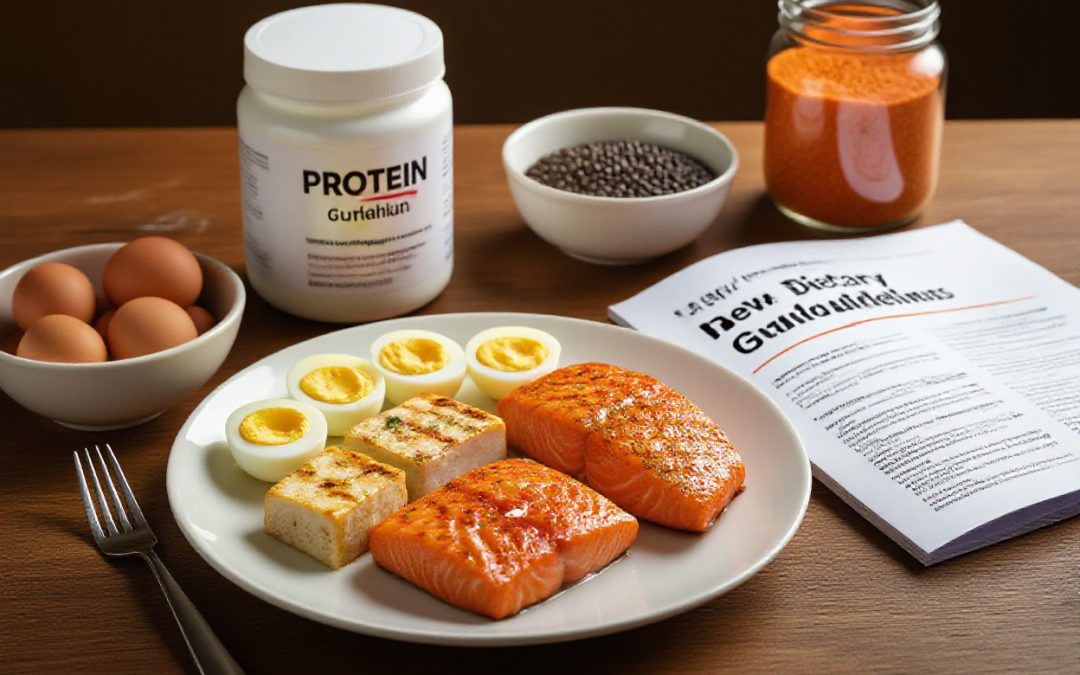
Dietary changes now put protein front and center—a bold shift that will affect what you buy and how you plan meals, and it might help with satiety and muscle health, but there’s a catch: the guidance leans toward animal sources, which could raise your saturated fat intake if you’re not careful. So how do you balance benefits with risk? You’ll need to pick high-quality proteins, mix in plants, and tune your choices to your life and budget.
Key Takeaways:
-
I bumped into my neighbor after his morning shake, and he bragged about never crashing at 3 pm anymore—he swears protein at every meal fixed that for him. Sounds familiar? Many folks feel the same, and the new guidelines double down on that idea.
They recommend hitting about 1.2 to 1.6 g of protein per kilogram of body weight each day. That’s the headline—spread it across meals to keep you full and steady.
But there’s a catch: the guidance leans heavily toward animal proteins, which can mean more saturated fat and cost—so if you’re plant-based or on a budget, you’ll need to plan a bit more to hit quality protein without downsides.
-
My kid’s school started offering full-fat milk again, and half the parents sent texts like, “Wait, really?” The guidelines do give full-fat dairy a bigger role, suggesting about three servings a day depending on calories.
Saturated fat is still capped at about 10% of total calories. That makes it tricky to spotlight butter and beef tallow alongside full-fat dairy without bumping up saturated fat intake.
So yeah, dairy’s useful for calcium and vitamin D, but people who are lactose-intolerant or choose non-dairy options need clear alternatives—fortified plant milks, juice, or leafy greens can fill those gaps.
-
A friend who runs a food pantry told me these rules aren’t just tips—they steer what gets served in SNAP, school lunches, and military meals. That’s why the debate matters beyond dinner conversations.
There’s some good stuff—cutting added sugar, calling out ultra-processed junk, and offering low-carb options for certain chronic conditions—but critics say parts don’t line up with evidence and may be hard to implement across diverse populations.
What ends up in federal meals matters to millions. So the messaging needs to be practical, flexible, and mindful of culture, cost, and access—otherwise good intentions don’t always translate into real-world change.
Why Protein’s the Star of the Show Now
Compared with previous guidance, the new rules put protein front and center, urging you to eat high-quality protein at every meal and to hit a specific target of 1.2 to 1.6 g per kilogram of body weight daily. That’s a big shift from the old 0.8 g/kg RDA, and it highlights benefits like B12, calcium, and satiety from animal sources—but it also raises flags since some animal proteins are high in saturated fat, and cost and culture aren’t addressed, so you might find application tricky.
What’s Changed with the New Guidelines?
Compared to past documents, these guidelines are more prescriptive: they name a numeric protein range (1.2-1.6 g/kg), push protein at every meal, and spotlight full-fat dairy—about three servings a day adjusted for calories. They also call out processed foods and tweak added-sugar limits, so you get a package of changes that shift meal planning, procurement for programs like SNAP, and how you’ll think about balancing protein against saturated fat and affordability.
Are We Eating Enough Protein?
Compared to those new targets, many Americans technically hit total daily protein numbers, because the old RDA is only 0.8 g/kg, but you probably aren’t distributing it well across meals—which matters for muscle maintenance, especially if you’re older. So yes, total intake might be okay, yet per-meal protein is often too low to stimulate optimal muscle protein synthesis, and that’s where gaps show up.
Unlike total daily counts, the pattern matters: for a 70 kg person, the new goal works out to about 84-112 g/day, which breaks down to roughly 20-40 g per meal if you’re eating three times a day. Want some quick examples? Three ounces of cooked chicken gives you ~21 g, a cup of Greek yogurt ~20 g, a cup of cooked lentils ~18 g, and two eggs ~12 g—so planning matters. But keep in mind costs, saturated fat from some animal sources, and program implications for school lunches and SNAP when you try to apply this.
The Dairy Debate—Full-Fat or No Fat?
You stood in the dairy aisle weighing taste against headlines—whole milk that tastes like dessert or skim that feels safer—and that choice is exactly what the guidelines spotlight by recommending three servings a day of dairy for most people. Full-fat cheese and milk bring calcium, vitamin D, and satiety, and some studies suggest dairy saturated fat may be more metabolically neutral than that from red meat. But you also have to juggle the 10% saturated-fat cap and personal tolerance when you plan meals.
Is Full-Fat Dairy Really That Great?
A friend once claimed that switching to full-fat yogurt alleviated her snack cravings, and it’s true that full-fat dairy often boosts satiety, leading to reduced overall consumption. One cup of whole milk provides about 300 mg of calcium but also ~5 g of saturated fat, so with the guidelines’ 10% of calories from saturated fat limit, you’ve got to balance portions, type (yogurt vs. cheese), and total daily fat to make it work for your heart health.
What About Those Who Can’t Handle Dairy?
You know the gut-busting glass of milk that leaves you doubled over—that’s common: roughly about 65% of adults worldwide have reduced lactose digestion, so dairy-focused guidance can leave a lot of people stranded. Fortified soy or almond milk, calcium-set tofu, canned salmon with bones, and dark leafy greens are real swaps, and many plant milks deliver similar calcium per cup, so you don’t have to force dairy into your diet to meet nutrient goals.
Practical moves if dairy upsets you: try fermented options like plain yogurt or kefir, which often contain live cultures that help with digestion; use lactase drops or tablets before milk; and aim for 1,000-1,300 mg of calcium daily depending on age. One cup of most fortified plant milks or regular milk gives you ~300 mg of calcium, so three servings from mixed sources usually hits the target without forcing full-fat dairy into every meal.
Healthy Fats—What Does That Even Mean?
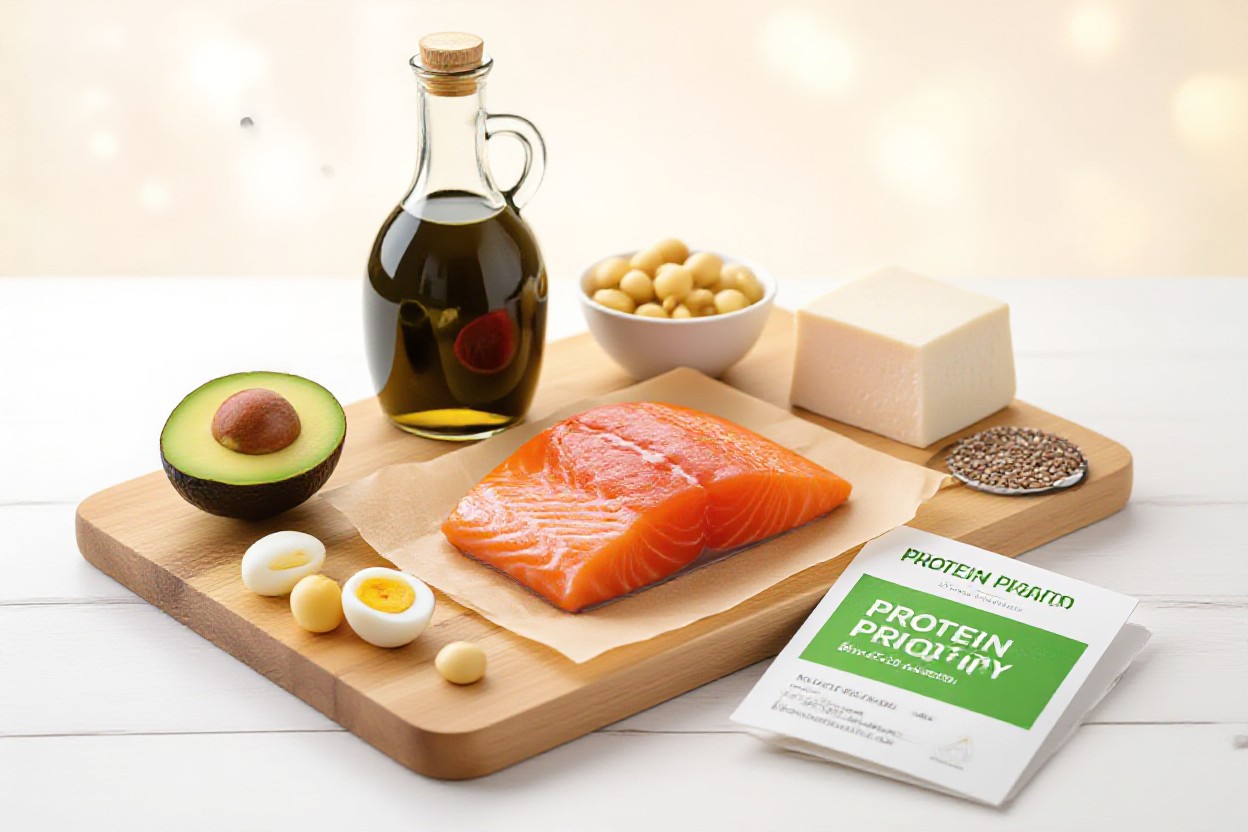
Unlike the old “fat is bad” mantra, the guidelines promote “nutrient-dense healthy fats” while promoting butter and beef tallow alongside olive oil. You should note they still cap saturated fat at no more than 10 percent of total calories, so spotlighting two high-saturated options without clear context makes meal planning messy—can you practically emphasize those foods and stay under the limit? It presents a complex challenge for daily cooking.
Are All Fats Created Equal?
Compared to saturated fats, unsaturated fats—like olive oil, nuts, avocado, and fatty fish—tend to lower LDL and help heart health, so you’d swap them in when you can. Try using olive oil for dressings, snacking on a handful of walnuts, or aiming for two servings of fatty fish per week; small swaps like that change your fat profile fast. And yes, some processed fats are totally different—avoid those.
The Confusion Around Saturated Fats
Whereas the guidelines set that 10 percent cap, they don’t clearly separate sources—dairy gets elevated while red meat stays on the menu—so you end up asking, is cheese okay but steak not? The guidance even recommends about three servings of dairy a day for many people, yet red meat is high in saturated fat, so the nuance you need to make practical choices is missing.
On one hand, studies suggest saturated fat from dairy can be more neutral for heart outcomes and provides calcium, vitamin D, and potassium, so you might not need to ditch full-fat yogurt; on the other, processed and red meats show clearer links to cardiovascular risk. And because these guidelines shape school lunches and SNAP—programs that reach millions—that lack of distinction matters beyond your plate, influencing what’s served in cafeterias and feeding programs nationwide.
Are Processed Foods Really That Hazardous?
Not all processed foods are detrimental to your health. You need to separate ultraprocessed junk from useful convenience items, because the guidelines call out highly processed foods and advise against artificial flavorings, dyes, and preservatives. They also recommend limiting added sugar to no more than 10 g per meal, so those flashy snack aisles are often the real danger to your diet.
What Counts as “Processed”?
It’s a spectrum: on one end you’ve got ultraprocessed items like soda, candy, and many ready-to-eat frozen meals, and on the other are minimally processed staples like canned beans, frozen vegetables, and yogurt that keep nutrients and save time. The guidelines specifically flag foods with added preservatives and artificial additives as ones to cut back on, so context matters when you’re grocery shopping.
Can Some Processed Foods Be Good for You?
Yes—some processed foods can help you hit nutrient targets. Plain Greek yogurt, canned salmon, frozen spinach, and fortified plant milks deliver protein, calcium, vitamin D, or fiber and map well to the new emphasis on protein at every meal (the report suggests 1.2-1.6 g of protein per kg of body weight daily). Want a quick protein boost? But you’ve got to watch labels for added sugar and sodium.
When you choose, scan ingredient lists—shorter is usually better—and pick products with low added sugar and no artificial dyes or preservatives. Rinsing canned beans cuts sodium, fortified milks give you calcium without dairy, and a cup of plain Greek yogurt often packs about 15-20 g of protein, so these picks actually make the guidelines more achievable when life’s busy.
Fruits and Veggies—Are We Doing It Right?
Only about 1 in 10 adults meet both fruit and vegetable recommendations. So you can’t ignore accessibility guidelines that push produce in its “original form” but also call out frozen, dried, and canned with little to no added sugars as valid options; that matters if you’re juggling work, kids, or a tight food budget, because consistency and variety beat perfection, and getting more servings overall will do far more for your health than stressing over form.
Does It Really Matter How We Eat Them?
Frozen vegetables are often flash-frozen within hours of harvest and can retain nutrients as well as fresh produce, sometimes even more than produce that’s sat on a truck for days. So if you’re choosing between limp salad and a bag of frozen peas, grab the frozen. Canned items may lose some water-soluble vitamins but still give you fiber and minerals; just watch for added sugars and excess sodium.
Convenience vs. Freshness—What’s the Deal?
The guidelines explicitly call frozen, dried, and canned varieties with little to no added sugars “good options.” You’ve got to weigh cost, shelf life, and prep time—frozen berries last months, and canned tomatoes make weeknight dinners way easier. And yes, convenience often equals more regular intake, which usually trumps occasional perfect meals.
When you’re shopping, check labels: pick cans labeled “low-sodium” (that’s less than 140 mg sodium per serving) or “no salt added,” and choose fruit packed in juice or water, not syrup. Rinsing canned beans and vegetables can cut sodium by about 40%. Frozen produce preserves many vitamins, and canned tomatoes actually boost bioavailable lycopene. So use frozen and canned smartly—they’re affordable, reduce waste, and help you hit servings more reliably.
Low-Carb Fame—Should Everyone Jump Onboard?
? Should everyone jump on the low-carb bandwagon just because the guidelines nod to it for some chronic conditions? The new guidelines suggest that low-carb can benefit individuals with type 2 diabetes or metabolic syndrome, with numerous studies reporting A1c drops of approximately 0.5-1.0% and short-term weight loss. However, it’s important to note that this approach is not universally applicable. Low-carb typically means under 130 g carbs/day; ketogenic means under ~50 g, and you need to weigh the benefits against adherence, food access, and the risk of higher saturated fat intake.
Who Should Really Try Low-Carb?
? Who benefits most from lowering carbs—is it you if you have diabetes or insulin resistance? If you’ve got type 2 diabetes, prediabetes, or marked post-meal glucose spikes, studies show improved glycemic control and sometimes reduced meds within 3-6 months. Athletes, pregnant people, or those with disordered eating usually shouldn’t. And if you can’t afford varied whole foods or you hate cooking, low-carb may not stick—sustainability matters as much as short-term wins.
Is Cutting Carbs Always the Answer?
? Is cutting carbs always the answer for weight or health goals? No—while some folks see big wins, others stall or trade carbs for saturated fat, which conflicts with the guideline cap of no more than 10% of calories from saturated fat. You might improve A1c but worsen LDL, or you may simply find the diet unsustainable socially and financially. So it’s a tool, not a universal fix.
? How do you judge if it’s working for you—and what should you track? Watch concrete markers: A1c, fasting glucose, weight, and a lipid panel (LDL can rise on very low-carb, high-fat plans). Test after 3 months, reassess meds with your clinician, and emphasize unsaturated fats, veggies, and fiber to avoid nutrient gaps. If food access or long-term adherence are issues, tweak carbs instead of going all-or-nothing.
Final Thoughts—What Does It All Mean?
Final Takeaways
So what should you take from all this? If you try to follow the new rules, you’ll be nudged toward 1.2 to 1.6 g of protein per kg daily and about three servings of full-fat dairy, while keeping saturated fat under 10% of calories. These changes will ripple into SNAP, school lunch, and military menus, so affordability and cultural fit actually matter. Added sugar is now ~10 g per adult meal and zero for kids up to age 10, and alcohol limits were dropped, though many clinicians still recommend 1 drink/day for women and 2 for men.
FAQ
Q: What does “prioritize protein at every meal” actually mean for my day-to-day eating?
Surprising bit: it isn’t an invite to eat steak three times a day—the new advice is about spreading protein out so you hit roughly 1.2 to 1.6 g per kilogram of body weight daily, not piling it into dinner and skimping the rest of the day. Sounds fussy, but the idea is simple—better muscle maintenance, satiety, and steady blood sugar for many folks when protein’s balanced across meals.
Aim for a protein source at breakfast, lunch, and dinner—and snacks too if you need them.
So what does that look like practically? Egg or yogurt for breakfast, a chicken or bean salad at lunch, and fish or tofu at dinner—or mix it up with cottage cheese, lentils, peanut butter, or whatever’s handy. And yes, portions matter; you don’t have to overdo it, just be intentional—little tweaks add up.
Q: Are they basically pushing animal protein and full-fat dairy on everyone?
The short, a bit surprising answer: they lean that way, and it’s the part getting the most flak. The guidelines spotlight animal-based proteins and full-fat dairy, which can be nutritionally valuable but also bring saturated fat and cost questions into the picture.
Full-fat dairy is highlighted—but it’s not the only way to meet nutrient needs.
So no, you don’t have to flip your diet overnight. Plant proteins, fortified non-dairy milks, and low-saturated-fat animal choices can all fit. But the messaging does skew toward animal sources, and that can make things harder for people who are vegan, lactose intolerant, budget conscious, or cooking for cultural reasons—policy talk rarely captures real-life kitchens.
Q: How will this protein focus change school lunches, SNAP, and other federal programs?
Weird but true: these guidelines actually steer menus served to millions, so shifting protein priorities can cascade into what kids eat at school and what’s on offer through assistance programs. That makes implementation messy—cost, supply chains, cultural fit, and saturated fat limits all collide in cafeteria planning.
Policy change doesn’t equal immediate healthy plates.
Practically, you might see more emphasis on offering protein at each meal—but whether that’s lean chicken, beans, or processed meat depends on budgets and contracts. And if programs push full-fat options without nuance, some populations could be left out; ideally policy would allow flexibility so schools and local programs can choose affordable, culturally appropriate protein sources that still meet health goals.
