
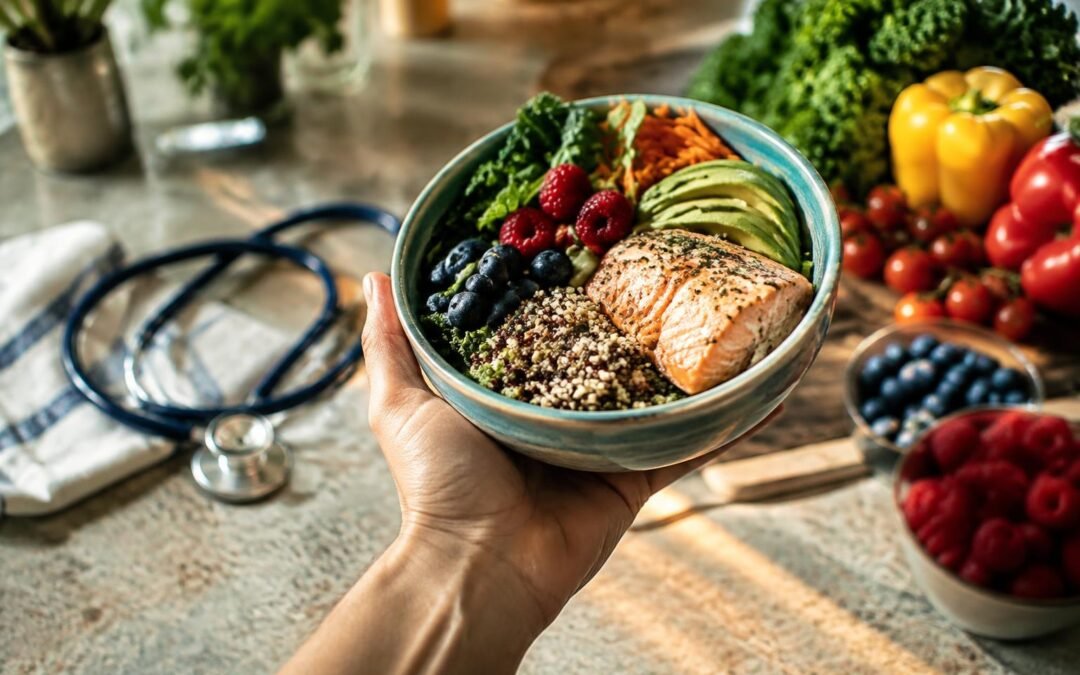
Cancer treatment can speed up cardiovascular disease, adding to risks you may already face, such as high blood pressure. For older survivors, heart disease can become a more likely cause of death than the original cancer, sometimes within a decade of diagnosis. Follow up care often focuses on preventing recurrence, but your diet is one practical way to support your heart.
Key Takeaways:
- Among more than 8,700 cancer survivors in a UK Biobank study, seven of eight dietary patterns were associated with fewer cardiovascular events; a healthy low carbohydrate diet showed no significant heart benefit.
- Different eating patterns were linked to different outcomes: the Alternate Healthy Eating Index was associated with lower risks of ischemic heart disease and stroke, DASH with lower heart failure risk, and MIND with lower risk of early death from any cause.
- The study found associations, not proof that diet changes prevent heart problems. Still, eating more in line with these patterns is one step survivors can discuss with their care team to support their heart health.
What Did the Study Find About Diet and Heart Risk?
For you, the findings offer a useful comparison, not a prescription: researchers tracked eating habits and later health outcomes rather than assigning survivors a diet to follow. More than 8,700 cancer survivors in the UK Biobank had no heart disease when they joined and answered questionnaires about their usual diets. The analysis connected seven of eight patterns with lower cardiovascular event risk, but it can’t show that changing what you eat after cancer treatment caused that difference.
The dietary patterns researchers compared
Researchers compared eight eating patterns using participants’ questionnaire responses about their typical food choices. The healthy low carbohydrate diet was the sole pattern without a significant heart benefit; the other seven were associated with lower cardiovascular event risk. Since you’re looking at observational findings, the comparison reflects how people ate in everyday life, not a controlled test in which researchers assigned each cancer survivor a specific meal plan.
| Diet pattern | Finding among participants |
|---|---|
| Alternate Healthy Eating Index | Lower risks of ischemic heart disease and stroke |
| DASH | Lower risk of heart failure |
| MIND | Lowest risk of early death from any cause and longest life expectancy |
| Healthy low-carbohydrate diet | No significant heart benefits observed |
| Other four patterns | Associated with lower cardiovascular event risk |
What the results suggest about specific diets
Participants who followed the Alternate Healthy Eating Index most closely had lower risks of ischemic heart disease and stroke, while those following DASH had a lower risk of heart failure. The MIND diet was linked to the lowest risk of early death from any cause and the longest life expectancy. Those results can help you see which outcomes tracked with each pattern, but people who eat well may also exercise or follow medical advice, factors the study couldn’t fully measure.
Why Does Heart Risk Rise After Cancer?
As more people survive cancer, protecting your heart becomes part of living longer and feeling well. The reasons aren’t all the same: your risk can reflect lasting effects of treatment, familiar cardiovascular risk factors, or both. That mix is worth understanding, because the habits you build after treatment can shape your future. Food is one practical place to start, especially when a meal can support several parts of your cardiovascular health at once.
Treatment effects and existing risk factors
Some cancer treatments can have long-term effects on your heart and blood vessels, so your risk may remain higher even after treatment ends. Existing factors such as high blood pressure, cholesterol, excess weight, or elevated blood sugar can add to that burden. Your personal risk depends on your treatment history and overall condition; a clinician can help you review both. Keep a record of the medicines and therapies you’ve received, along with any heart-related concerns.
The factors diet may help address
Your eating pattern can influence several cardiovascular risk factors together, rather than just one. For example, choosing more vegetables, beans, and whole grains in place of highly processed foods can support weight management, blood pressure, cholesterol, and blood sugar. Diet may also affect inflammation, though it can’t erase treatment-related effects or replace medical care. If your clinician is monitoring your blood pressure or glucose, bring those readings to a nutrition discussion.
- Ask your care team which treatments may affect your heart.
- Bring a current medication list to appointments.
- Track blood pressure or blood sugar if advised.
What Makes These Eating Styles Worth Trying?
You don’t need to follow a perfect menu to make heart supportive choices. Experts say there isn’t one ideal diet for everyone; the best fit is an eating pattern you can keep up over time. Pairing those choices with regular physical activity and care for blood pressure, cholesterol, and diabetes matters, too. Your needs may shift during or after cancer treatment, so a flexible plan is often more practical than strict food rules.
Shared features of the diets
Across these eating styles, you’ll find a common move away from red meat, sugary drinks, fried foods, and sweets. That doesn’t mean every meal has to be perfect. You might choose water instead of soda at lunch, or have beans in place of red meat at dinner. Small, repeatable swaps can make the pattern easier to maintain, especially when your appetite or energy changes after treatment.
Making the approach work for you
Your nutrition needs depend on your treatment history, symptoms, and other health conditions, so a plan that suits someone else may not suit you. An oncology dietitian can help tailor food choices to your appetite, medications, and blood pressure, cholesterol, or diabetes goals. If fatigue makes cooking difficult, you could keep simple options on hand, such as canned beans or frozen vegetables, and build meals around what you can manage.
| Area | Practical choice | Why it fits |
|---|---|---|
| Drinks | Choose water more often than sugary drinks | Limits added sugar |
| Main meals | Swap beans for red meat sometimes | Matches a shared feature of these eating styles |
| Daily routine | Pair meals with regular physical activity | Supports broader heart risk management |
| Personal support | Ask an oncology dietitian for tailored guidance | Accounts for treatment and individual needs |
To wrap up
If you’re a cancer survivor, evidence from survivors themselves links heart healthy diets with fewer cardiovascular events and longer life, rather than relying only on findings from the general population. Ask your oncology team about nutrition counseling as part of survivorship care, and consider speaking with an oncology dietitian about an eating approach you can maintain, such as adding beans or vegetables to familiar meals. Pair those choices with regular activity and management of cardiovascular risk factors, including blood pressure and cholesterol.
FAQ
Can a healthy diet lower heart disease risk for cancer survivors?
A heart healthy eating pattern may help lower risk, but it hasn’t been proven to prevent heart disease in cancer survivors. The study found associations, and diet is only one part of risk, alongside treatment effects and existing conditions.
What’s the easiest way to start eating better after cancer treatment?
Start by adding more vegetables, fruits, whole grains, beans, nuts, and other minimally processed foods to meals you already eat. Choose changes that fit your budget, preferences, and treatment side effects, and ask your care team for help if eating is difficult.
Do cancer survivors need a special diet to protect their heart?
Most survivors don’t need a special diet; several familiar heart healthy eating patterns share practical basics, such as emphasizing plant foods and limiting highly processed options. Your needs may differ because of treatment effects or other conditions, so check with your care team before making major changes.
