
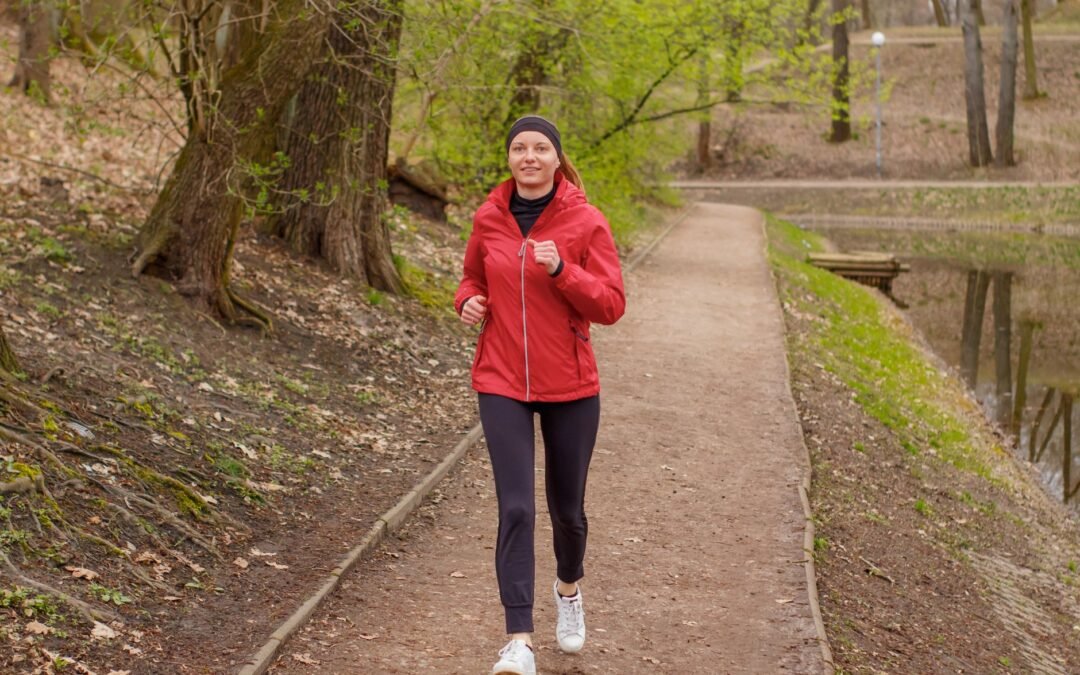
It’s not just another trendy walk in the park lymphatic walking is gaining traction as a gentle, low impact practice that pairs slow, mindful steps with deep belly breathing and sometimes soft arm motions. The goal? To help your body clear fluid buildup, fight puffiness, and give your energy a natural lift. It’s being called a secret weapon for better health, but does it actually move the needle or are we just breathing deeply into the hype?
So, what’s your lymphatic system actually doing?
It’s quietly working behind the scenes, just like your circulatory system but instead of blood, it’s managing lymph, a fluid packed with immune cells. Experts explain that the lymphatic system is vital for maintaining fluid balance and supporting your immune function two things that directly impact how puffy or energized you feel. When your health feels off, this system might be struggling to keep up.
Why fluid balance matters for puffiness
Excess fluid can pool in your tissues when your lymphatic system isn’t moving efficiently especially in your legs and ankles. That’s when you notice tight socks leaving deep marks or rings around your wrists. This buildup isn’t dangerous in the short term, but it does contribute to that heavy, puffy sensation people often blame on salt or hormones. Keeping lymph flowing helps your body clear it naturally.
How it helps your immune system stay strong
Lymph nodes filter out pathogens and activate immune responses your body’s way of flagging invaders like viruses or bacteria. They’re packed with white blood cells that spring into action when needed. Every time your health takes a hit, it’s partly because your lymphatic system detected trouble first.
Think of your lymph nodes as security checkpoints scattered throughout your body there are over 500 of them, concentrated in your neck, armpits, and groin. When they swell during a cold or infection, that’s a visible sign they’re doing their job: trapping harmful cells and ramping up immune activity. Without this network, your body wouldn’t respond as quickly to threats, making everyday bugs feel much worse. This system doesn’t just clean up fluid it’s on constant surveillance duty for your long term health.
How does this stuff move anyway?
You don’t have a lymphatic pump like your heart for blood. Instead, your lymph relies on you your movement, your breath to keep things flowing. Muscle contractions and breathing naturally help move lymph through the body. No fancy gear. No extreme effort. Just your body doing what it’s designed to do.
Why deep belly breaths are a game changer
Deep belly breaths create a pumping action in your torso that helps push lymph upward toward your neck. This isn’t just relaxation it’s active support for your body’s natural drainage system. Every slow inhale and full exhale gives your health infrastructure a quiet boost.
The power of simple muscle movement
Every step you take, every calf squeeze, every shift in posture these small contractions are quietly pushing lymph along. There’s no need for intense workouts. Just moving, regularly, keeps the fluid from pooling. It’s one of the simplest things you can do for your health that most people overlook.
Think of your legs as secondary hearts for your lymphatic system. The muscles in your calves, especially, act like pumps every time you walk. When you move, you’re not just burning calories you’re clearing waste, supporting immunity, and reducing puffiness. It’s not flashy, but it’s powerfully effective.
Honestly, is it better than my normal walk?
You’re probably wondering if all the hype around lymphatic walking actually means it’s doing more than your usual stroll. The truth? There is currently no research showing that lymphatic walking provides greater lymphatic benefits than regular walking. So that fancy arm swinging, intentional breathing version might feel different but it’s not proven to be better for your health.
What the science says (and doesn’t say)
Science hasn’t backed the claim that lymphatic walking boosts fluid movement more than standard walking. No studies compare the two methods head to head. That doesn’t mean it’s useless just that the special techniques aren’t proven to add extra benefit for your health.
Why any stroll is a good stroll
Movement matters full stop. Every step helps pump lymph fluid, even without special form or timing. You don’t need a branded method to get results. Just walking counts. And that’s good news for your health.
Think of your legs as built-in lymph pumps. Each time your muscles contract during a walk whether it’s around the block or through a park they squeeze the vessels that move lymph. This natural rhythm supports immune function and reduces swelling over time. You don’t need a tutorial or a 10-step technique. A 20-minute walk three times a week can make a noticeable difference in how your body feels. That’s real, measurable progress and it’s accessible to nearly everyone.
Why I’m seriously not buying the miracle cure labels
You know what’s not magic? Calling a regular walk a “lymphatic miracle” and charging $200 for a guided session. The practical message is to focus on consistent movement rather than treating the trend as a special cure. Real health gains come from showing up, not repackaging the obvious.
Why showing up every day matters
Movement stacks. A 20 minute walk today doesn’t detox your liver overnight but doing it six days a week? That supports circulation, reduces puffiness over time, and boosts energy in ways science actually backs. Consistency beats intensity every single time.
Keeping your routine simple and realistic
You don’t need special tights, a TikTok trend, or a lymphatic map of your calves. Just put on your shoes and go. The best routine is one you’ll actually do no gimmicks, no pressure, just motion that fits your life.
Think about it: a mid-sized SaaS firm doesn’t overhaul its codebase every quarter just because a new framework trends on GitHub. Same here. Lasting health isn’t built on fads. It’s built on showing up with your sneakers, rain or shine, and walking like it’s normal because it is.
To wrap up
You don’t need a special technique to see benefits for your health. The real win comes from simply staying active on a regular basis. Lymphatic walking might sound trendy, but it’s just another name for walking something your body already knows how to use to keep fluids moving and energy levels steady. You’re better off building a habit than chasing a buzzword. Consistency beats hype every single time. Move often. Move freely. Let your body do the rest.
FAQ
Q: What exactly is lymphatic walking, and how is it different from a regular walk?
A: Lymphatic walking is a low-intensity form of walking usually at a slow, deliberate pace paired with deep diaphragmatic breathing and sometimes gentle arm swings or shoulder rolls. The idea is to stimulate the flow of lymph, a fluid that carries waste and immune cells through your body. Unlike a brisk walk meant to raise your heart rate, this version focuses on rhythm and breath. Think of it like a mindful stroll where you’re breathing deeply into your belly with each step. It’s not about distance or speed. It’s about movement with intention. And while any walking helps your health, this method claims to give your lymphatic system an extra nudge.
Q: Can lymphatic walking really reduce puffiness and boost energy?
A: It might indirectly. There’s no solid evidence that lymphatic walking moves lymph more effectively than regular walking. But movement of any kind does help. Your lymph doesn’t have a pump like your heart; it relies on muscle contractions and breathing to circulate. So when you walk slow or fast you’re already doing something beneficial. People who try lymphatic walking often report feeling less bloated or more alert afterward. That could be due to improved circulation, reduced fluid retention, or even the calming effect of deep breathing. A mid-sized SaaS firm employee I spoke to swears by her 20 minute morning lymph walk she says her ankles don’t swell like they used to during long workdays. Is it the walk? The breathwork? Or just moving more overall? Hard to say. But consistent motion supports your body’s natural detox pathways and that’s good for your health.
Q: Do I need special training or gear to try it?
Nope. That’s the whole point it’s accessible. You don’t need a class, a fancy mat, or even a studio. Just comfortable shoes and a few spare minutes. Some influencers demonstrate it with exaggerated arm movements or specific breathing counts, but the core practice is simple: walk slowly, breathe deeply into your abdomen, and stay aware of your body. Try it barefoot on grass if you can some say the grounding effect adds to the experience. But honestly? A sidewalk works just fine. The real benefit isn’t in perfect form. It’s in showing up and moving gently, especially if you’ve been sitting all day. Your lymphatic system doesn’t care if you’re doing it “right.” It just cares that you’re moving. And that kind of habit? That’s what long term health is built on.
